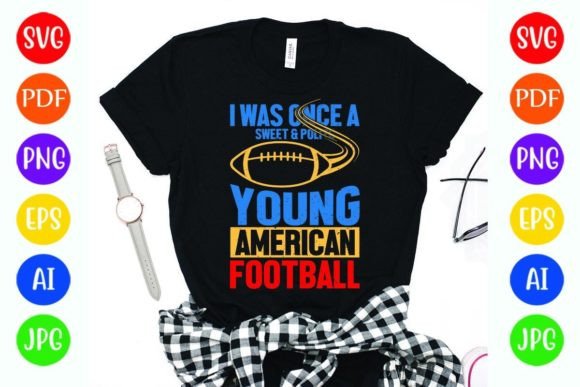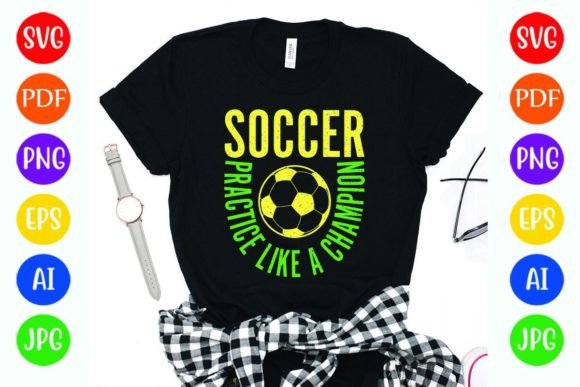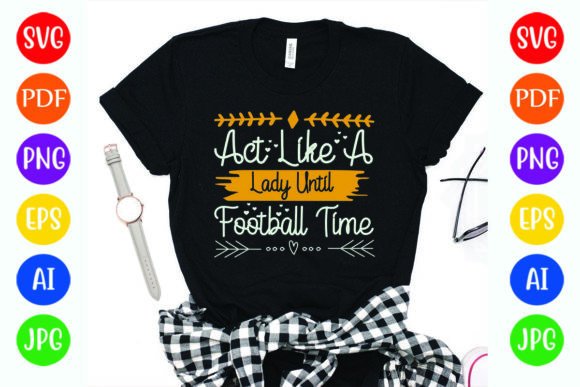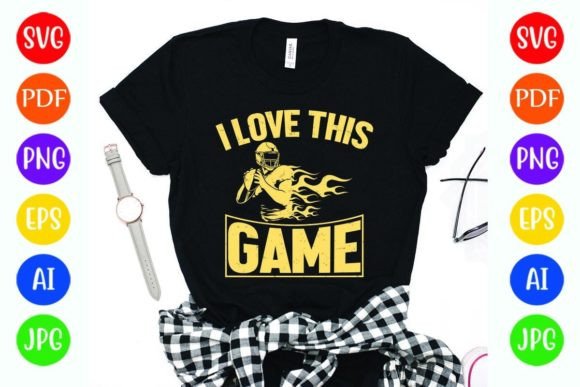
Reviewing Football T-Shirt Design Practice Like a for Embroidery
As a designer who has spent countless hours digitizing and stitching out patterns, I have learned that not every graphic translates well to thread. When I first encountered Football T-Shirt Design Practice Like a, my immediate reaction was one of cautious optimism. The visual impact is strong, but the real test lies in how it performs under the needle. For embroidery designers, small business owners, and Etsy sellers, understanding the gap between a digital vector and a finished stitched product is crucial. This review breaks down the practical realities of using this asset in real-world craft projects.
First Impressions and Visual Personality
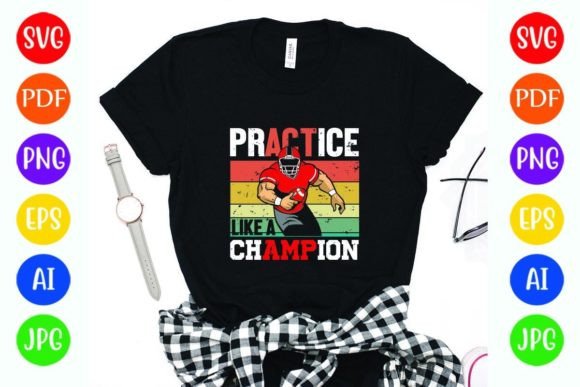
The mood of Football T-Shirt Design Practice Like a is energetic and sporty, capturing the competitive spirit of the game without relying on overly complex imagery. From a design perspective, the layout feels balanced. It does not scream for attention with chaotic details but rather offers a clean, bold statement. For those working in T-Shirt Designs and Graphics, this clarity is essential. In embroidery, complexity often leads to frustration. A design that looks good on screen can become a tangled mess of thread if the lines are too thin or the shapes too intricate.
This particular design relies on strong silhouettes and clear typography. This suggests that it would work well with satin stitches for outlines and fill stitches for larger areas. The visual personality is versatile enough to appeal to various demographics, from youth sports teams to adult fans looking for custom apparel. However, the "Practice Like a" theme implies a focus on dedication and grit, which resonates well with personalized gifts for athletes who value hard work over just winning.
Real-World Application: The Custom Sweatshirt Scenario
To truly evaluate Football T-Shirt Design Practice Like a, I imagined a recent client request. A local coach wanted twenty custom sweatshirts for his junior league team. He needed something durable, legible from a distance, and quick to produce. This is where the design’s potential shines. Placing this graphic on the chest of a heavyweight cotton blend sweatshirt allows the stitches to sit high and proud.
In this scenario, the design’s structure supports the weight of the thread. Unlike delicate lace patterns that might pucker thin fabric, this bolder aesthetic holds up well on textured fabrics like fleece or terry cloth. The customer reaction to such a product is usually positive because the embroidery looks professional and intentional. It adds perceived value to the garment, transforming a basic sweatshirt into a cherished piece of team memorabilia. For handmade shop owners, this type of project represents a reliable revenue stream during sports seasons.
Navigating Technical Challenges and Fabric Choices
While the design is robust, it is not without its limitations. Embroidery designers must be mindful of where they place Football T-Shirt Design Practice Like a. On curved surfaces like caps or hats, the density of the stitch pattern becomes critical. If the design is too dense, it can cause the cap to warp or the fabric to pull. I recommend testing the design on scrap fabric first, specifically using the same stabilizer you plan to use for the final product. A cut-away stabilizer is often necessary for stretchy fabrics to prevent distortion after washing.
Another consideration is hoop size. While the description notes that the source files are vector-based and resizable, you must ensure your embroidery machine can handle the dimensions you choose. Large designs require large hoops, which not all home machines possess. Furthermore, tiny lettering within the phrase "Practice Like a" needs careful scrutiny. If scaled down too much, the letters may merge together, losing readability. Always inspect small details at 100% zoom before sending the file to your machine.
Thread color contrast is another vital factor. On dark fabrics, light threads pop, but on light fabrics, dark threads provide definition. I advise testing the design in black and white mockups to see how the shapes hold up without color reliance. This helps determine if the design relies too heavily on color gradients, which are difficult to achieve in standard embroidery. Since the provided formats include AI, EPS, SVG, and PDF, you have the flexibility to adjust colors easily before digitizing or printing.
Commercial Viability and Brand Consistency
For commercial embroidery projects, consistency is key. Using Football T-Shirt Design Practice Like a across different products, such as tote bags, aprons, and pillow covers, can help build a cohesive brand identity for a sports-themed boutique. The design’s adaptability makes it suitable for various merchandise. For instance, stitching it onto a canvas tote bag creates a functional item for gym gear, while placing it on a kitchen towel adds a playful touch for a sports fan’s home.
Etsy sellers and digital product sellers should note that while the source files are vector-based, selling the digital embroidery file itself requires specific licensing permissions. The product description mentions it is ready for print and app use, but it does not explicitly state embroidery license terms. Always confirm licensing before selling finished items or digital products. Assuming you have the right to use it for commercial goods, this design can enhance buyer engagement due to its relatable theme and professional appearance.
Practical Designer Notes for Best Results
To get the most out of Football T-Shirt Design Practice Like a, follow these practical steps:
- Test on Scrap Fabric: Never stitch a new design directly on the final garment. Use similar fabric weight and texture to check for puckering or thread breaks.
- Check Stitch Density: If you are digitizing this from the vector files, ensure the stitch density is appropriate for the fabric. Too dense, and it becomes stiff; too sparse, and the fabric shows through.
- Use Proper Stabilizer: Match the stabilizer to the fabric. Tear-away for stable woven fabrics, cut-away for knits and stretchy materials.
- Verify Hoop Size: Confirm that the resized design fits within your machine’s maximum hoop area.
- Inspect Small Details: Zoom in on the text elements. Ensure there is enough space between letters to prevent merging during stitching.
- Consider Thread Colors: Choose high-contrast thread colors to ensure the design remains visible and impactful.
In conclusion, Football T-Shirt Design Practice Like a is a solid choice for designers looking to create durable, visually appealing embroidered items. Its strength lies in its simplicity and boldness, which translate well to thread. By paying attention to technical details like stabilizer choice, hoop size, and stitch density, you can produce high-quality handmade products that customers will love. Whether for a holiday gift, a team uniform, or a boutique product, this design offers a practical foundation for creative entrepreneurship.