Review: Hot Cocoa, Bonfires and Football Embroidery
As a designer who has spent countless hours digitizing files and testing them on various fabrics, I have learned that not every cute graphic translates well to thread. When I first pulled up the Hot Cocoa, Bonfires and Football design, my initial reaction was one of cautious optimism. The theme is undeniably cozy and seasonal, tapping into that specific autumnal nostalgia that sells well in boutique shops. However, visual appeal on a screen does not always guarantee a clean stitch-out on fabric. I needed to determine if this asset was merely a pretty picture or a viable tool for real-world embroidery projects.
First Impressions and Visual Personality
The composition of Hot Cocoa, Bonfires and Football relies on a cluster of iconic fall elements. From a graphic design perspective, the layout feels balanced, with the warmth of the bonfire contrasting against the structured shape of the football and the comforting silhouette of the cocoa mug. For an embroiderer, the immediate question is always about detail density. Does the design rely on tiny, fragile lines that will break under tension, or does it use bold shapes that hold up to the texture of thread?
In this case, the design leans toward a illustrative style that works well for T-Shirt Designs and casual apparel. The mood it creates is inviting and relaxed, making it an excellent candidate for products meant to evoke comfort. It does not scream for attention with aggressive colors but rather invites a closer look, which is ideal for personalized gifts where the sentiment matters as much as the aesthetic.
Real-World Application: The Sweatshirt Test
To truly evaluate this file, I imagined a specific client scenario: a local boutique owner preparing her inventory for the October rush. She wanted a unisex sweatshirt that appealed to both sports fans and those who prefer staying in with a book. I visualized placing Hot Cocoa, Bonfires and Football on the left chest of a heather grey crewneck.
This placement is critical. A full-back design might lose definition if the stitch density is too low, but a chest logo needs clarity. In this context, the design performs well because the elements are distinct. The roundness of the mug and the oval of the football provide geometric variety that prevents the embroidery from looking like a blurry blob. For custom apparel, this kind of versatility is gold. It allows the wearer to express multiple interests without wearing a cluttered, overly busy garment.
Considerations for Fabric and Texture
One must be realistic about how this design interacts with different materials. On a smooth cotton tote bag, the details of the bonfire flames and the steam rising from the cocoa would likely stitch out cleanly. However, when moving to textured fabrics like terry cloth towels or fuzzy fleece blankets, the smaller details might get lost. If you are using this for a tote bag design or a kitchen towel, I recommend increasing the size slightly to ensure the running stitches or satin edges remain visible against the pile of the fabric.
For baby embroidery projects, such as a onesie or a soft blanket, caution is advised. Babies have sensitive skin, and dense stitching can feel stiff. If this design includes heavy fill stitches in the football or the marshmallows, it might be too rigid for direct skin contact. In such cases, consider using it on a patch that can be removed or placed on an outer layer of clothing.
Navigating Technical Constraints
Every embroidery file has its limits, and understanding them saves time and thread. When working with Hot Cocoa, Bonfires and Football, pay close attention to the hoop size. If you are attempting to squeeze this onto a small 4x4 inch hoop for a cap or a baby hat, you may need to simplify the design or remove certain elements. Crowding these three distinct icons into a tiny space could result in poor registration, where the colors bleed into each other.
Additionally, consider the stitch types used. If the design relies heavily on satin stitch for the outlines, it will provide a shiny, professional finish but may pull on stretchy fabrics. For sweatshirt embroidery, which often involves thicker, looser knits, a proper stabilizer is non-negotiable. Without it, the weight of the thread could distort the garment, causing the neckline to warp or the fabric to pucker around the design.
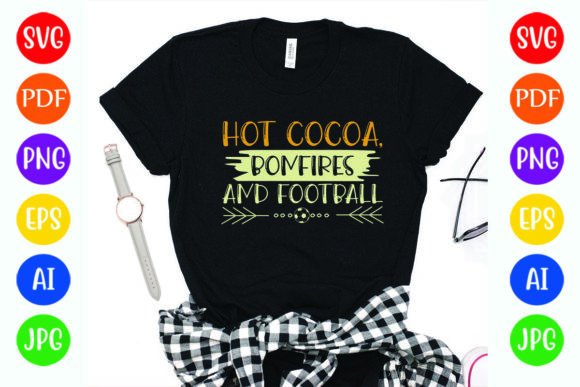
It is also worth noting the file formats provided. The product description mentions SVG, PNG, EPS, AI, and JPG. For machine embroidery, you typically need specific machine formats like DST or PES. Since these are not explicitly listed in the basic description, you must verify if the download includes converted embroidery files or if you are purchasing vector graphics that require manual digitizing. This distinction is crucial for Etsy sellers and craft business owners who may not have advanced digitizing software.
Commercial Viability and Brand Consistency
From a business standpoint, Hot Cocoa, Bonfires and Football fits neatly into the category of seasonal bestsellers. It appeals to a broad demographic, making it a safe bet for small shop product lines. The design’s neutral yet festive tone allows it to pair well with various thread color palettes. You could use traditional browns and oranges for a classic look, or experiment with pastels for a softer, modern twist.
For commercial embroidery projects, consistency is key. If you are producing a batch of twenty items, test the design on scrap fabric first. Check how the thread colors contrast against your chosen garment shades. A dark navy sweatshirt might require lighter thread accents to make the bonfire pop, whereas a cream-colored tee might need deeper shadows to define the football laces.
Final Verdict for Makers
Ultimately, Hot Cocoa, Bonfires and Football is a strong contender for your autumn catalog. It captures a specific lifestyle vibe that resonates with customers looking for cozy, relatable personalized gifts. However, success depends on execution. Do not assume the file is ready to run without adjustment. Inspect the small details, confirm the licensing terms for commercial use, and always do a test stitch.
Whether you are creating an embroidered patch for a jacket, decorating a pillow cover for home decor, or launching a new line of holiday embroidery goods, this design offers a solid foundation. Just remember that the magic lies not just in the image, but in how well you adapt it to the physical realities of thread, fabric, and machine tension. Treat it as a flexible asset rather than a rigid template, and it will serve your embroidery project well.