Reviewing Fall Means Football Y all for Embroidery
As an experienced designer who has spent countless hours digitizing and stitching out designs for clients, I approach every new graphic with a critical eye. It is not just about whether a design looks good on a screen; it is about how it translates to thread, fabric, and the final finished product. Recently, I evaluated the Fall Means Football Y all graphic to determine its viability for real-world embroidery projects. This review breaks down the practical considerations for embroidery designers, small business owners, and crafters looking to incorporate this theme into their inventory.
First Impressions and Visual Personality
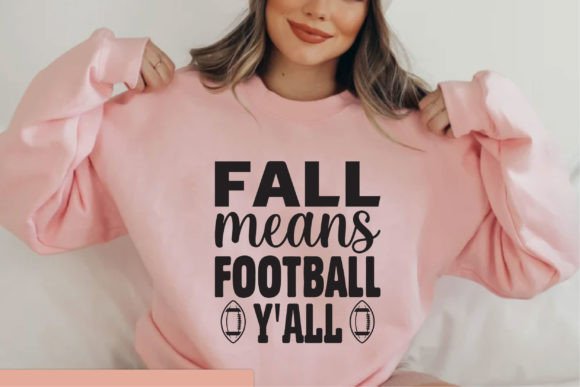
The phrase Fall Means Football Y all immediately evokes a specific seasonal mood. It combines the cozy, rustic aesthetic of autumn with the high-energy culture of American football. From a design perspective, this creates a strong emotional hook for customers. The layout typically features bold, collegiate-style typography that suggests strength and tradition. For an embroidery project, this visual personality is crucial because it dictates the stitch types we must use. Bold lettering often calls for a solid fill stitch to ensure readability, while any accompanying graphics, such as footballs or leaves, might benefit from a combination of satin stitch borders and fill centers to create depth.
When I first looked at this design, I considered its potential beyond just a standard T-shirt. While the product description highlights its use for sublimation and ready-to-print applications, my focus was on how it would perform as a machine embroidery design. The key challenge with text-heavy graphics is maintaining clarity without creating a dense, stiff patch of thread. A well-digitized version of this design should balance aesthetic appeal with stitch efficiency.
Real-World Application: The Custom Sweatshirt Scenario
To test the viability of Fall Means Football Y all, I imagined a common scenario for many Etsy sellers and boutique owners: creating a custom embroidered sweatshirt for a local high school booster club or a family game day outfit. In this context, the design needs to stand out against heavy cotton or fleece fabric.
If I were stitching this onto a crewneck sweatshirt, I would prioritize a larger hoop size to allow the text to breathe. Cramped lettering can look amateurish and may cause puckering if the stitch density is too high. I would likely choose a contrasting thread color, such as white or cream on a navy or maroon garment, to ensure the message is legible from a distance. This design fits perfectly into the category of custom apparel that drives sales during the third and fourth quarters of the year. It is not just a graphic; it is a statement piece that fans want to wear with pride.
Versatility Across Product Types
Beyond sweatshirts, this graphic has significant potential for other handmade products. Consider a canvas tote bag. A tote bag design featuring this phrase could become a bestseller for farmers' markets or tailgate parties. However, the fabric texture of canvas requires careful attention. You must use a sturdy stabilizer to prevent the design from sinking into the weave. Similarly, for a kitchen towel or apron, the design adds a festive touch to holiday hosting. These items serve as excellent personalized gift options for friends and family who love the sport.
For those selling digital assets, offering this as part of a bundle for fall-themed collections can increase average order value. Whether used for an embroidered patch on a denim jacket or directly stitched onto a baby onesie for a "future fan," the versatility of the theme is its strongest asset. It bridges the gap between sports fandom and seasonal decor, making it relevant for a wide audience.
Technical Considerations for Stitching
While the concept is strong, the execution requires technical precision. Here are the critical factors I evaluate before committing to a full production run:
- Stitch Density and Fabric Type: If the design uses heavy fill stitches, it may be too stiff for thin fabrics like tri-blend t-shirts. In such cases, I recommend using an applique technique where the fabric itself forms the shape, reducing thread bulk. Always test the design on scrap fabric first to check for puckering.
- Hoop Size Constraints: Ensure the design fits within your machine's maximum hoop size. If the phrase is long, you may need to split it into two lines or reduce the font size, which can impact readability. Confirm the hoop size requirements before purchasing or digitizing.
- Thread Color Contrast: The success of text-based embroidery relies heavily on contrast. Test the design in black and white mockups to ensure the letters remain distinct even if the viewer is colorblind or viewing the item from afar.
- Stabilizer Selection: For stretchy fabrics like jersey knits, a cut-away stabilizer is essential to maintain the shape of the design after washing. For woven fabrics like tote bags, a tear-away may suffice, but always prioritize stability to protect the integrity of the handmade product.
Commercial Viability and Brand Consistency
For small shop owners and creative entrepreneurs, consistency is key to building brand trust. Using a high-quality digital embroidery file ensures that every item you sell meets the same standard. Poorly digitized designs can lead to thread breaks, misalignment, and customer returns. By carefully selecting and testing designs like Fall Means Football Y all, you protect your reputation.
This design also offers great opportunities for commercial embroidery projects. Local sports teams, schools, and community organizations often look for unique merchandise that goes beyond generic logos. Offering a design that captures the spirit of the season can help you secure bulk orders. Additionally, using this graphic in printable mockups for your online store can help customers visualize the final product, increasing conversion rates.
Final Designer Notes
Before you start stitching, remember that the provided product information mentions AI files and readiness for sublimation and printing. It does not explicitly list specific embroidery formats like PES or DST. Therefore, if you plan to use this for machine embroidery, you must either digitize the AI file yourself or purchase a properly converted embroidery file from a trusted source. Never assume a vector file is ready for stitching without proper digitization.
Check the licensing terms carefully. While many designs allow for commercial use on physical products, rules vary regarding digital resale. Confirm whether you can sell the finished items or if there are restrictions on mass production. Always inspect small details and corners in the digitized version to ensure clean jumps and trims.
In conclusion, Fall Means Football Y all is a potent design for the right application. It thrives on sturdy fabrics, benefits from bold stitching techniques, and resonates deeply with a seasonal audience. By approaching it with a designer’s mindset—focusing on stitch density, fabric compatibility, and visual clarity—you can transform a simple graphic into a high-value craft business asset. Whether for a cozy sweatshirt or a durable tote, this design has the potential to become a staple in your fall collection.